


Recently, driven by multiple factors such as persistently high international energy prices, supply disruptions in some domestic production areas, and improved demand expectations, the spot price of aluminum ingots in China has continued to rise strongly. As a key raw material in the aluminum industry chain, this upward trend is rapidly spreading to downstream processing sectors, leading to increased prices in the aluminum coil and aluminum composite panel markets and significantly raising cost pressures for related industries.
Aluminum ingots are the core raw material for producing aluminum coils, accounting for an extremely high proportion of production costs. Most aluminum processing enterprises adopt a pricing model based on the “aluminum ingot benchmark price + processing fee.” As a result, the rise in aluminum ingot prices has almost simultaneously pushed up the factory prices of aluminum coils. Reports indicate that major aluminum coil manufacturers have successively adjusted their quotations upward based on raw material costs.
For the aluminum composite panel industry, aluminum coils are the main material for their surface and backing sheets, accounting for approximately 30–50% of production costs. The increase in aluminum coil prices has directly raised the production costs of aluminum composite panels. Currently, several leading aluminum composite panel companies have begun negotiating price adjustments with downstream customers to pass on some of the cost pressures. However, due to intense market competition and varying paces of recovery in terminal demand, the magnitude and speed of price adjustments for aluminum composite panels generally lag behind those for aluminum coils.
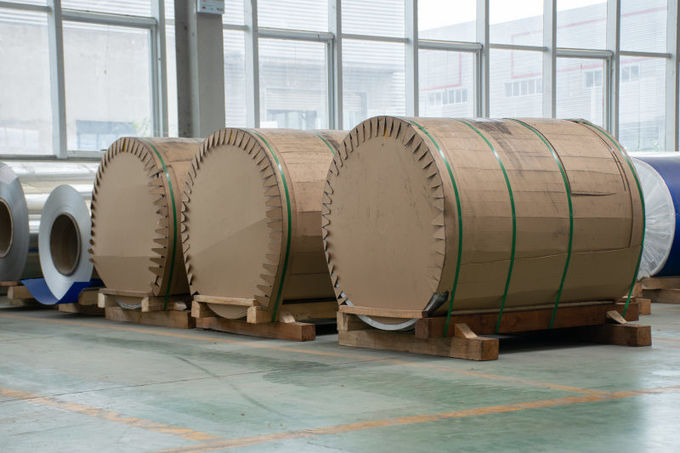
This wave of raw material price increases is intensifying internal consolidation within downstream industries. For manufacturers of low-value-added, homogeneous aluminum coils and aluminum composite panels, their already thin profit margins are being severely eroded, leaving them caught in a dilemma of “losing money if they don’t raise prices, or losing orders if they do.” In contrast, companies with strong R&D capabilities, brand advantages, and stable high-end customer bases exhibit greater risk resilience and bargaining power, enabling them to better absorb cost pressures.
Market analysts note that aluminum price trends will remain influenced by macroeconomic sentiment and fundamental supply-demand dynamics in the short term. If aluminum ingot prices remain high, downstream aluminum processed products will receive rigid price support. It is recommended that related enterprises strengthen supply chain management, flexibly utilize tools such as hedging to lock in costs, and accelerate the transition to higher value-added products to enhance market competitiveness.
Post time: Feb-04-2026