


Recently, domestic aluminum ingot prices have fluctuated at high levels, directly impacting the export performance of aluminum composite panel (ACP) manufacturers, bringing both operational pressures and market opportunities. As the core raw material for ACP production, aluminum ingots account for nearly 50% of total production costs, and their price changes directly influence export quotations and corporate profit margins.
When aluminum ingot prices keep rising, raw material costs for ACPs increase accordingly. If exporters raise export prices, the price competitiveness of their products in the global market will weaken, leading to potential loss of overseas orders. If original prices are maintained, profit margins will be greatly squeezed, and small‑ and medium‑sized exporters become less willing to take orders. Frequent price swings also increase uncertainties in foreign trade quotations, making overseas clients more cautious and slowing short‑term export growth.
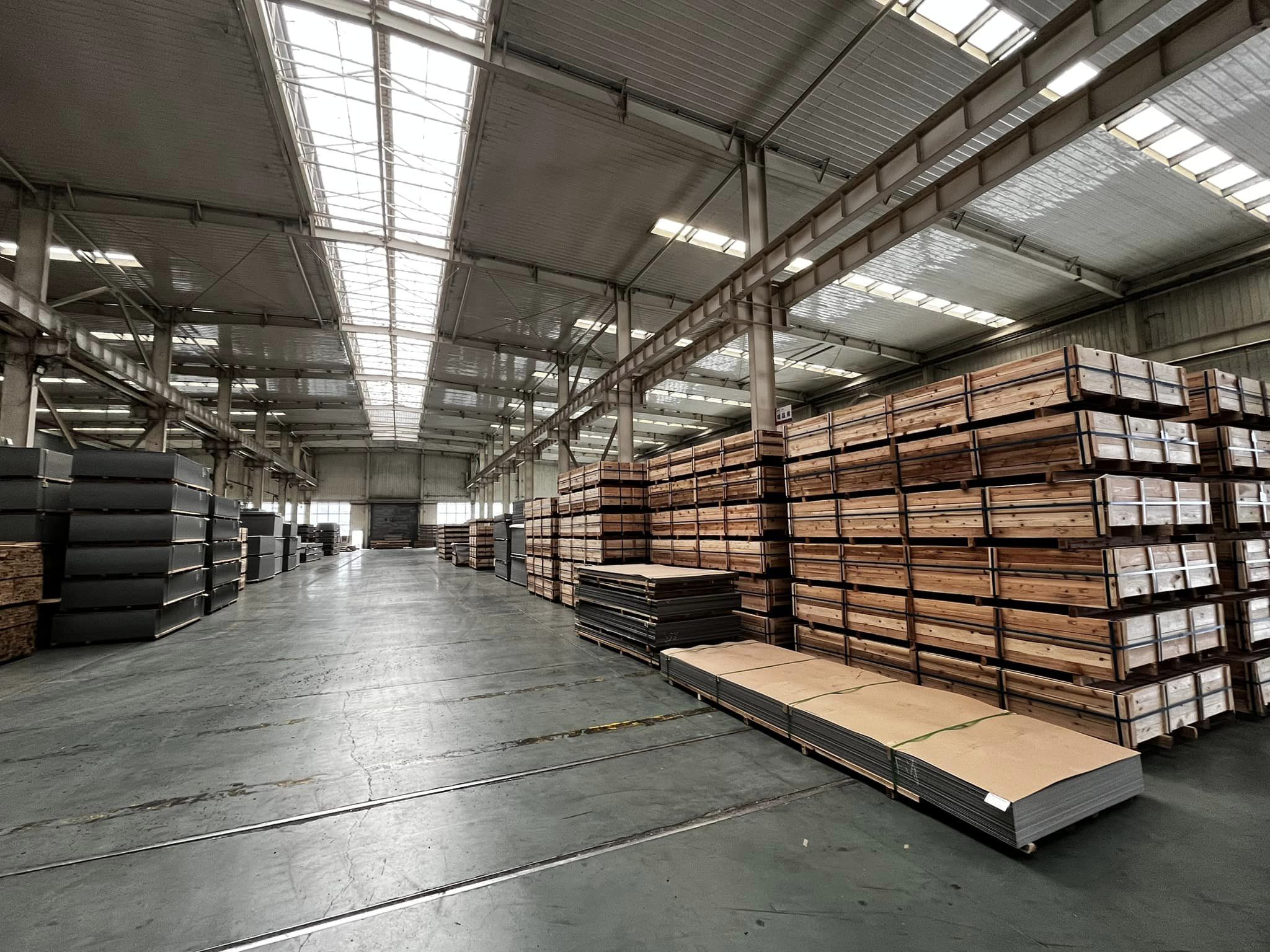
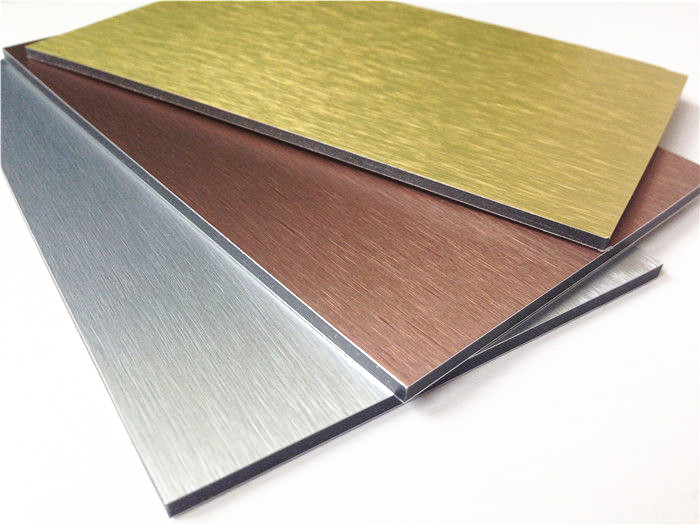
When aluminum ingot prices decline, Chinese‑made ACPs gain cost advantages and higher cost‑effectiveness, driving more overseas orders for infrastructure and decorative building materials. With rising LME aluminum prices and price gaps between domestic and international markets, ACP exporters can seize global market opportunities. Meanwhile, they should hedge against price risks through long‑term procurement agreements, hedging strategies and flexible pricing to stabilize export earnings and enhance international competitiveness.
Post time: May-18-2026